
The automotive industry is undergoing an accelerated transformation driven by technological advancements. From automation in factories to the evolution of electric vehicles, the future of the automotive industry heavily relies on industrial technology. In this article, we explore how industrial technology is shaping the future of the automotive sector and the key trends that will define its path.
1. The Electrification of Vehicles: A Paradigm Shift
The transition to electric vehicles (EVs) is redefining the automotive industry. The demand for more eco-friendly and sustainable cars has pushed manufacturers to adopt advanced technologies to develop more efficient batteries and higher-performance electric motors. Automotive factories are using automation systems and advanced robotics to manufacture components for these vehicles, improving precision and production speed.
2. Industry 4.0: Transformation in Automotive Production
Industry 4.0 has arrived in the automotive sector with the goal of optimizing production through digitization. The implementation of technologies such as the Internet of Things (IoT), artificial intelligence (AI), and data analytics is allowing automotive factories to improve quality, reduce production costs, and increase efficiency.
- IoT and Big Data: The connectivity of equipment and machines in manufacturing plants allows the collection of large amounts of data that, when processed properly, can provide valuable insights to predict failures and optimize production processes.
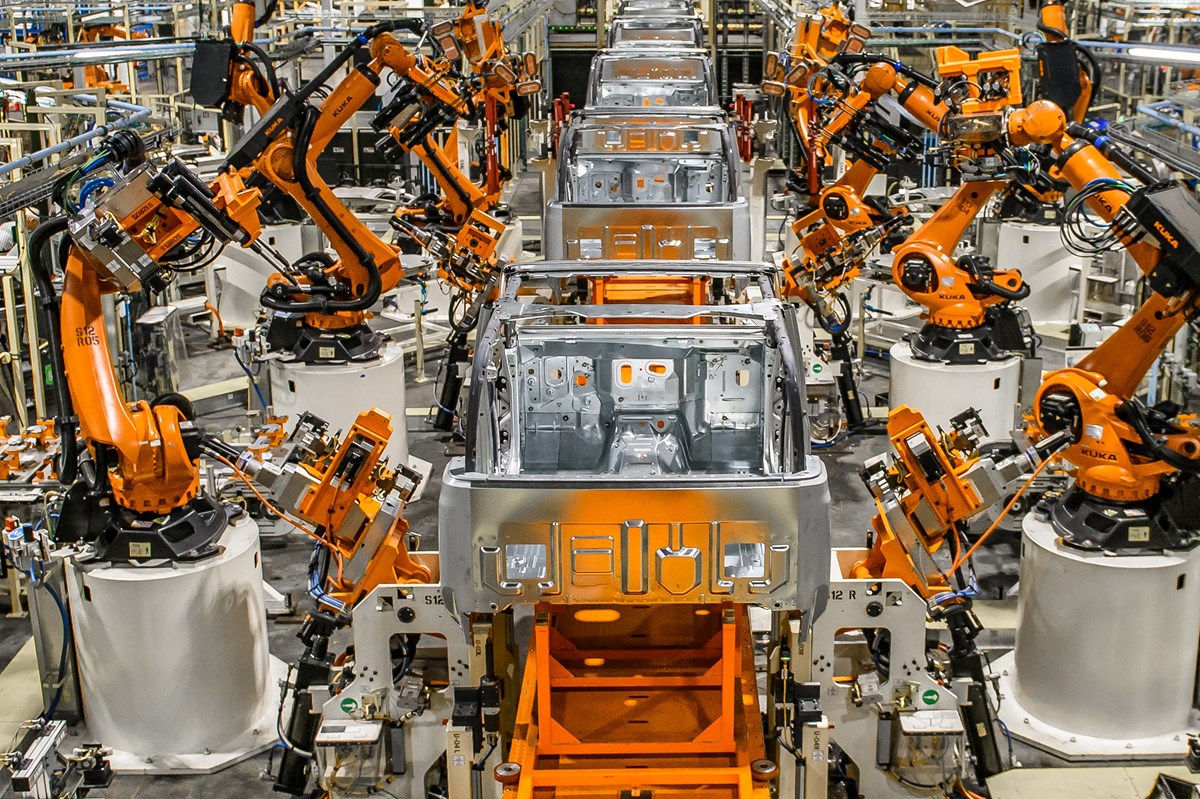
- Advanced Robotics and Automation: The implementation of robots on assembly lines allows repetitive tasks to be performed with greater precision and speed, reducing labor costs and increasing the final product’s quality.
3. Additive Manufacturing (3D Printing): A Revolution in Parts Production
3D printing is transforming parts manufacturing for the automotive sector. This technology allows for rapid and cost-effective prototyping and the production of complex parts. Additionally, additive manufacturing offers great flexibility in part design, enabling automotive manufacturers to create custom components tailored to the needs of electric and autonomous vehicles.
4. Autonomous Vehicles: The Future of Mobility
Autonomous vehicles are marking a new era for the automotive industry. The development of vehicles that can operate without human intervention is driving the adoption of technologies such as AI, advanced sensors, 5G connectivity, and smart navigation systems. Industrial technology plays a crucial role in the production of these vehicles, as the manufacturing of key components like sensors, cameras, and autonomous driving systems requires high precision and automation.
5. Sustainability in Automotive Production
The automotive industry is increasingly focused on sustainability. From the production of electric vehicles to reducing the carbon footprint in factories, companies in the sector are adopting technological solutions to improve energy efficiency and reduce waste. Industrial technologies are allowing manufacturing plants to optimize energy consumption, better manage resources, and adopt greener practices.
Conclusion: The Crucial Role of Industrial Technology in the Future of the Automotive Sector
The future of the automotive industry will be defined by the convergence of various industrial technologies, from automation and robotics to sustainability and electrification. As the industry evolves towards more eco-friendly, autonomous, and connected vehicles, industrial technology will continue to play a key role in improving production and driving innovation. At Promimex, we are committed to supporting our clients in adopting the best technological solutions to stay at the forefront of this exciting shift in the automotive industry.
Other Publications Preventive Maintenance for Industrial Equipment: What You Need to Know How to Improve Solid-Liquid Separation Efficiency Process Automation in Reagent Plants: Key Benefits Basic Glossary of Technical Terms for Industrial Clients How Promimex Solutions Help Reduce Environmental Impact
Posts Categories Education and Best Practices Process Optimization Sustainability and Technology Technical and Product Topics Trends and Industry
Products & Services MEC Series (Pemo Pumps) Short-Term Operating Contracts (Evoqua) Service Deionization (SDI) (Evoqua) Aquatic Weed Harvesters (Dragflow) Membrane Services (Evoqua) Composit Mining Solutions for Abrasive Slurry Transport (Composit) Images of Initial Slurry Cycles Compressed Air Station for Industrial Operation Maintenance Hoist for Filter Press Dismantling of Existing Filter Press