
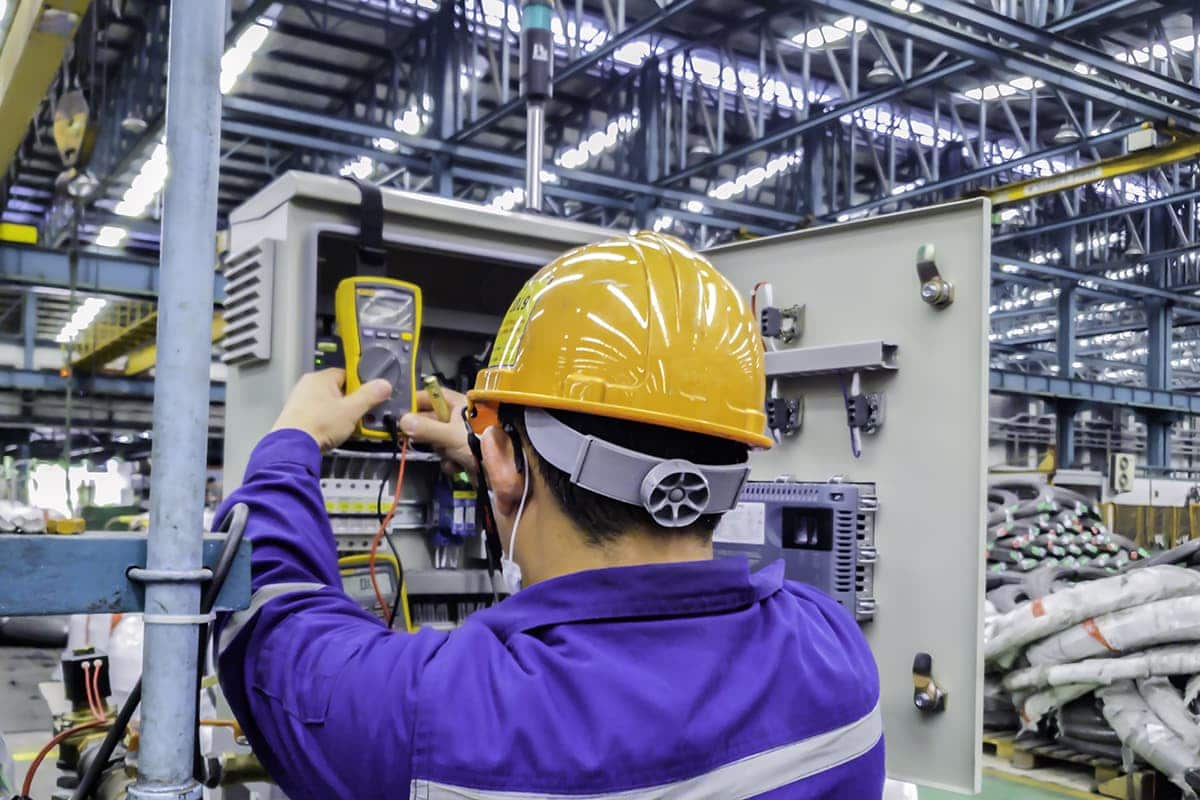
Selecting the right industrial equipment is a critical decision that can directly impact the productivity, safety, and profitability of your operation. Whether you work in mining, manufacturing, water treatment, or another industry, having the right equipment ensures efficient operation and a longer system lifespan. Below is a practical guide to help you make informed decisions when choosing your industrial equipment.
1. Clearly define the application and operating environment
The first step is to identify what the equipment will be used for. Will it be used for mixing, pumping, filtering, transporting materials, dosing chemicals, or maintenance? Also, consider the environment: is it corrosive, exposed to high temperatures, dust, humidity, or chemicals? These factors will influence the materials, technology type, and equipment specifications.
2. Evaluate the technical requirements
Each application has specific technical parameters: flow rate, pressure, power, capacity, size, type of material to be handled, among others. It’s important to gather this data to compare different options and ensure the equipment meets the required performance levels.
3. Consider compatibility with other systems
The equipment you choose should integrate seamlessly with the rest of your processes. Check for compatibility with your control systems, existing connections, software, or potential future upgrades. This helps avoid installation or operational issues.
4. Aim for efficiency and energy savings
Energy consumption is one of the most significant factors in industrial operations. Choosing equipment with high-efficiency motors or automatic control functions can lead to considerable long-term savings. Maintenance costs and spare parts availability should also be taken into account.
5. Ensure availability of technical support and spare parts
Working with a reliable supplier that offers local technical support, training, preventive maintenance, and spare parts availability is essential for ensuring operational continuity. After-sales support can be a decisive factor.
6. Check certifications and regulatory compliance
Depending on your industry, the equipment may need specific certifications (such as ISO, ATEX, ANSI, etc.) or must comply with national and international regulations. Make sure to verify this, especially if you operate in regulated sectors.
7. Consult with experts and review success stories
Don’t make your decision based solely on brochures. Reach out to specialists, request technical advice, and review case studies of companies with similar applications. This may help you identify aspects you hadn’t previously considered.
Conclusion
Choosing the right industrial equipment is not just about comparing prices—it’s about thoroughly analyzing your operation’s needs and anticipating future challenges. A well-informed decision translates into efficiency, safety, and competitiveness. At Promimex, we have extensive experience advising companies across different industries to find the right solutions for their processes.
Other Publications Technological Trends in the Mining Industry for 2025 How to Improve Solid-Liquid Separation Efficiency Digitalization in Industrial Plants: Where to Start? Industrial Agitators: Types, Applications, and Maintenance Advantages of Using Submersible Pumps in Industrial Applications
Posts Categories Education and Best Practices Process Optimization Sustainability and Technology Technical and Product Topics Trends and Industry
Products & Services Water and Wastewater Treatment for the Power Sector (WesTech) Dismantling of Existing Filter Press Compressed Air Station for Industrial Operation Agitation Systems for Metallurgical Processes Ladles Unit (OMS Presse) OMS Presse Working Cell (OMS Presse) Water One® Services (Evoqua) Pumping Systems for Industrial Processes Side beam Filter Press AUTOMAT (Diemme Filtration) KE Filter Press (Diemme Filtration)